
Blog posts tagged "zfs"
Ubuntu has supported ZFS as an option for some time. In 19.10, we introduced experimental support on the desktop. As explained, having a ZFS on root option on our desktop was only a first step in what we want to achieve by adopting this combined file system and logical volume manager. I strongly suggest you read

Well, here it is! Ubuntu is the world’s most popular open-source desktop operating system, and we think this is our best release to date. Ubuntu 20.04 LTS is an enterprise-grade, secure, cost-effective operating system for organisations and home users. Before I summarise the changes in this release, let’s address something I’ve seen discu

Ubuntu has supported ZFS as an option for some time. We started with a file-based ZFS pool on Ubuntu 15.10, then delivered it as a FS container in 16.04, and recommended it for the fastest and most reliable container experience on LXD. We have also created some dedicated tutorials for users who want to become
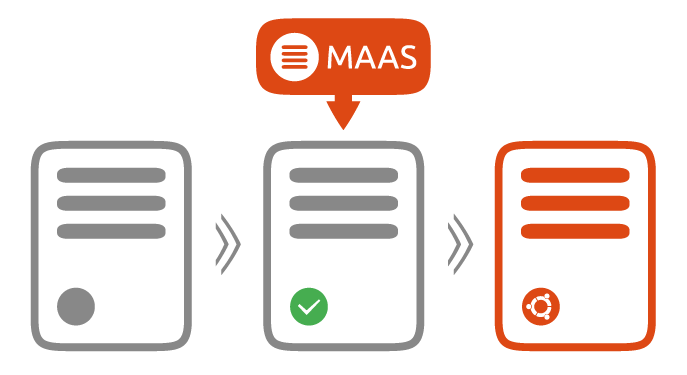
With recent updates to MAAS and Curtin, deploying Ubuntu with a ZFS root disk is now possible! Curtin added zfsroot support earlier this year and MAAS has now exposed the option. However, Ubuntu root on ZFS with MAAS is experimental! We encourage users to try this out and report back any issues, but it is

ZFS is a handy way of pooling disks together into a single filesystem. Whether you want to transparently mirror content across disks to preserve yourself from faulty hardware or unify an array of disks into a single storage unit, it’s a good fit for both personal devices and enterprise stacks. In this short tutorial, you
Follow the instructions in this article to spend around an hour over your lunch time to get an entire Ubuntu OpenStack cloud up and running in containers on a single machine. The resulting cloud will launch container based workloads. News about containers with OpenStack is everywhere right now. Be it OpenStack running on containers, runni
In this issue… Ecosystem growth: Welcome to our new partners New features and tips: Juju GUI 2.0, using ZFS and LXD, and OPNFV charming Upcoming events: Juju Charmer Summit 12-14 September and upcoming office hours Ecosystem Growth Canonical announced multiple signatories to its Juju Charm Partner Program (CPP) in June. We’ve added leadin
This is the second blog post in this series about LXD 2.0.Where to get LXD and how to install itThere are many ways to get the latest and greatest LXD. We recommend you use LXD with the latest LXC and Linux kernel to benefit from all its features but we try to degrade gracefully where possible to support older Linux distributions.The Ubun
We at Canonical have conducted a legal review, including discussion with the industry’s leading software freedom legal counsel, of the licenses that apply to the Linux kernel and to ZFS.And in doing so, we have concluded that we are acting within the r
Ubuntu 16.04 LTS (Xenial) is only a few short weeks away, and with it comes one of the most exciting new features Linux has seen in a very long time…ZFS — baked directly into Ubuntu — supported by Canonical.What is ZFS?ZFS is a combination of a vol
Ubuntu 15.10 (Wily) comes natively with some technology previously only available in PPAs. LXD is a container hypervisor that enables and facilitates extensive and powerful management of LXC containers. It’s great for dense deployments, development environments, and specifically workloads that need to be as performant as possible… ones wh