

Edoardo Barbieri
54 posts
Welcome to Part II of this three-part blog series on adopting the low latency Linux kernel for your embedded systems. In case you missed it, check out Part I for a brief intro on preemptable processes in multiuser systems and memory split into kernel and user space. The low-latency Ubuntu kernel ships with a 1000
Welcome to this mini blog series on the low latency Linux kernel for industrial embedded systems! The real-time patch, which is not fully upstream yet, has had many developers wonder about stable alternatives for their projects adopting an embedded Linux operating system (OS) with latency requirements in the milliseconds’ range. The low-

No day goes by without innovation in the Internet of Things (IoT) landscape, affecting enterprises and individuals alike. In case you missed it, here is a roundup of last year highlights from the IoT world. January was a month packed with IoT-related news, so brace for a ride as we dive straight into this monthly
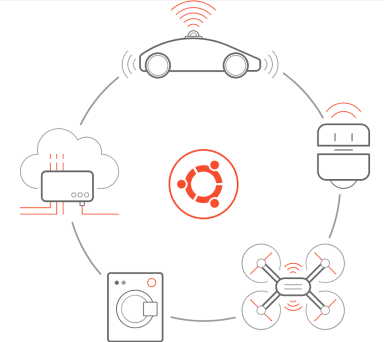
With rising unit shipments and hardware spending, 2021 will go into the record books as a critical year in the ever-increasing adoption of connected devices. Ubuntu – the modern, open-source Linux operating system for the enterprise server, desktop, and cloud – is rapidly becoming the de-facto standard for Internet of Things ( IoT) device
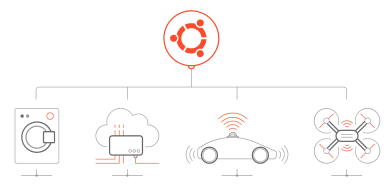
This is the second part of the two-part blog series covering embedded Linux systems and the challenges brought about by the proliferation of Internet of Things (IoT) devices. In Part I, we surveyed the embedded ecosystem and the role Linux plays within that space. This blog takes you on the next step in the journey,
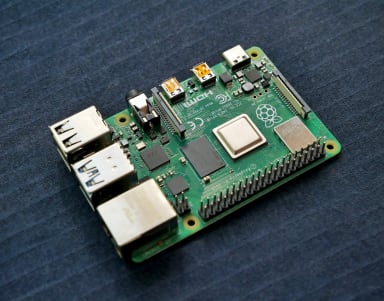
“Hello everybody out there using minix – I’m doing a (free) operating system (just a hobby, won’t be big and professional like gnu) for 386(486) AT clones. It is NOT portable (uses 386 task switching etc), and it probably never will support anything other than AT-harddisks, as that’s all I have :-(.” [1] The
- Previous page
- 2
- 3
- 4
- Next page