
Blog posts tagged "IoT"
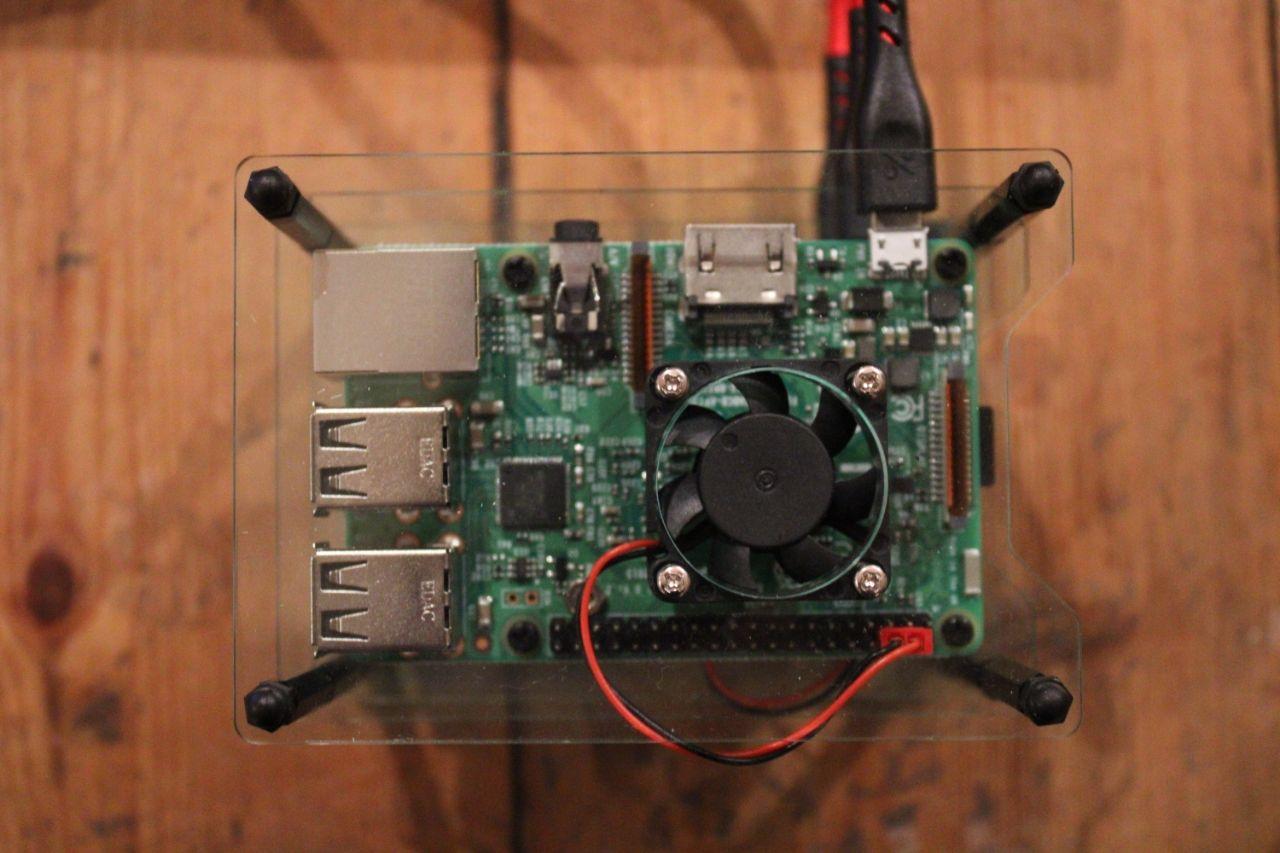
The tutorial for building a Raspberry Pi cluster with MicroK8s is here. This blog is not a tutorial. This blog aims to answer; why? Why would you build a Raspberry Pi cluster with MicroK8s? Here we go a little deeper to understand the hype around Kubernetes, the uses of cluster computing and the capabilities of

(This blog post is part of a 5 part series, titled “How to launch IoT devices”. It will cover the key choices and concerns when turning bright IoT ideas into a product in the market. Sign up to the webinar on how to launch IoT devices to get the full story, all in one place.)
The Raspberry Pi Foundation recently released their new “Raspberry Pi Imager” and we love it. It’s a new tool that makes getting going with the Raspberry Pi easier than ever. All it takes is a simple install and three clicks before you have an SDcard ready for Pi. In this article, I’m going to talk

Sometimes you really need a deterministic response time in your system. For example, a robotic arm that needs to be at the right place at exactly the right time, and you cannot avoid the need for a hard real-time (RT) operating system. But, that is only a small part of your software, and for the

(This blog post is part of a 5 part series, titled “How to launch IoT devices”. It will cover the key choices and concerns when turning bright IoT ideas into a product in the market. This entire series can be found with slides + audio here: How to launch IoT devices.) Part One can be

Learn how Ubuntu Core and snaps gives Domotz a competitive advantage As the number of IoT devices scale, the challenges of provisioning and keeping them up to date in the field increases. Domotz, who manufacture an all-in-one, network monitoring and management device for enterprise IoT networks, found themselves with this challenge that w
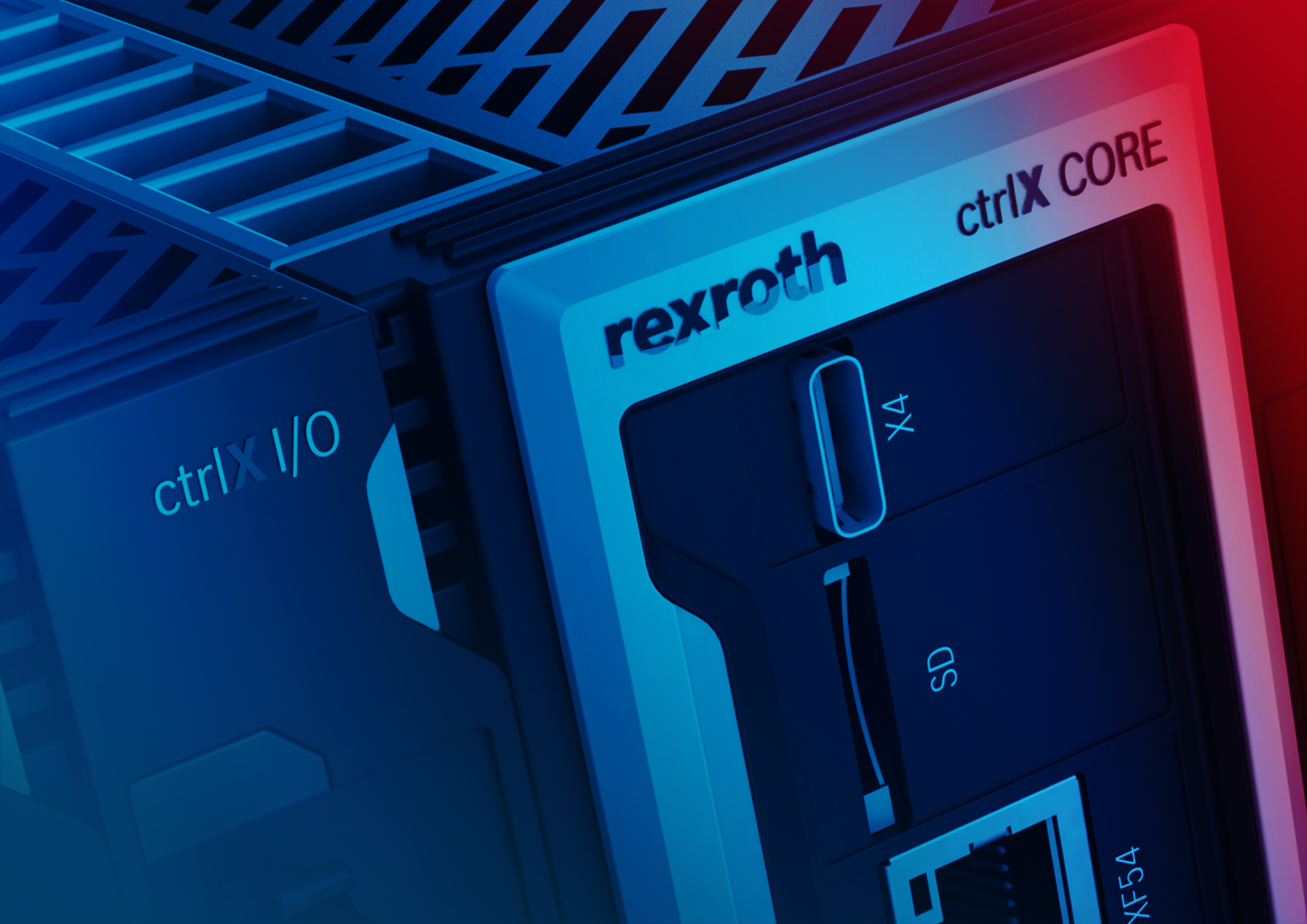
19th February 2020 – Canonical today announced that Bosch Rexroth has selected Ubuntu Core for their app-based platform ctrlX AUTOMATION. ctrlX AUTOMATION leverages Ubuntu Core, designed for embedded devices, and snaps, the universal Linux application containers, to deliver an open source platform to remove the barriers between machine co

Launching IoT devices and managing them at scale can be a time intensive and complex process. With 85% of IoT initiatives not launched after a year of development, it is inevitable that change is needed. To overcome these challenges, Canonical has introduced Smart Start, a package that reduces business and technical decision making into a

Deploying AI/ML solutions in latency-sensitive use cases requires a new solution architecture approach for many businesses. Fast computational units (i.e. GPUs) and low-latency connections (i.e. 5G) allow for AI/ML models to be executed outside the sensors/actuators (e.g. cameras & robotic arms). This reduces costs through lower hardware

(This blog post is part of a 5 part series, titled “How to launch IoT devices”. It will cover the key choices and concerns when turning bright IoT ideas into a product in the market. Sign up to the webinar on How to launch IoT devices to get the full story, all in one place.)

IoT businesses are notoriously difficult to get off the ground. No matter how good your product is or how good your team is, some of the biggest problems you will face are just in getting to market and maintaining your devices once they’re in the field. The webinar will take a look at how Canonical’s

Cloud native software such as containers and Kubernetes and IoT/edge are playing a prominent role in the digital transformation of enterprise organisations. They are particularly critical to DevOps teams that are focused on faster software releases and more efficient IT operations through collaboration and automation. Most cloud native so

First impressions count, and making sure your users can see and interact with your product in a seamless way, means selecting the right smart display technology. Read on to find out what hardware features are needed to make a reliable smart display, and why smart displays run Ubuntu Core. Medical imaging to smart displays: There’s

When designers put their heart and soul into making super-fast, easy-to-use software to help take Internet of Things (IoT) apps to the next level, installation of that software needs to meet the same high standards. ObjectBox is a database and synchronisation solution for rapid, efficient edge computing for mobile and IoT devices. Rather
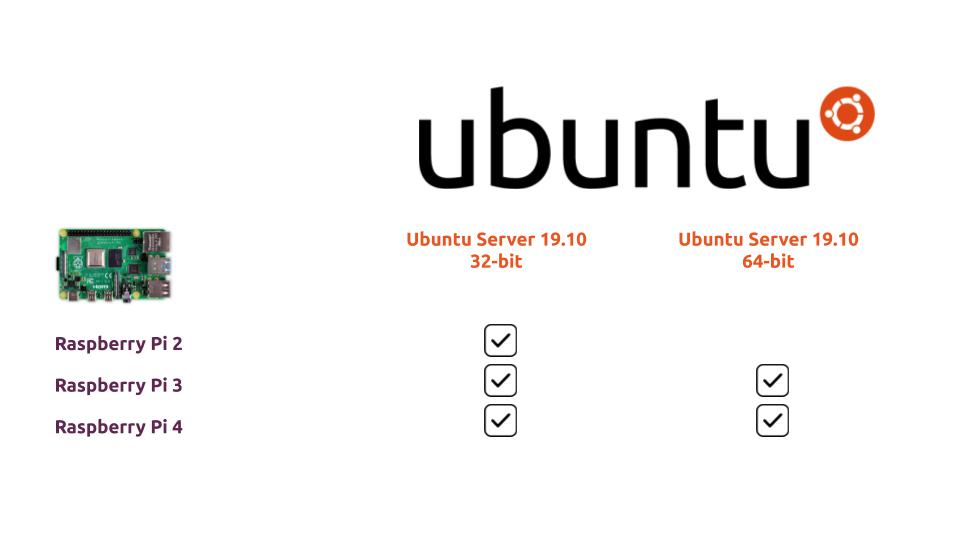
Updated 32-bit and 64-bit images of Ubuntu for the Raspberry Pi family of devices have just been released. Innovators around the world can now download 32-bit images for the Raspberry Pi 2, 3 and 4, as well as 64-bit images for the Raspberry Pi 3 and 4. With the new images, USB ports are now

Every few months we release a Snapcraft update, with improvements to both Linux development, and snap user experience. Last week, we released Snapcraft 3.9, and this blog post will focus on the remote build feature that is now a fully accessible preview. Let’s dig deeper into why you need to try remote build, and how